Mon–Sat 7:00 AM – 6:00 PM · 24/7 Emergency Line · Immediate Fort Worth Dispatch
Tree Removal & Tree Service in Fort Worth, TX
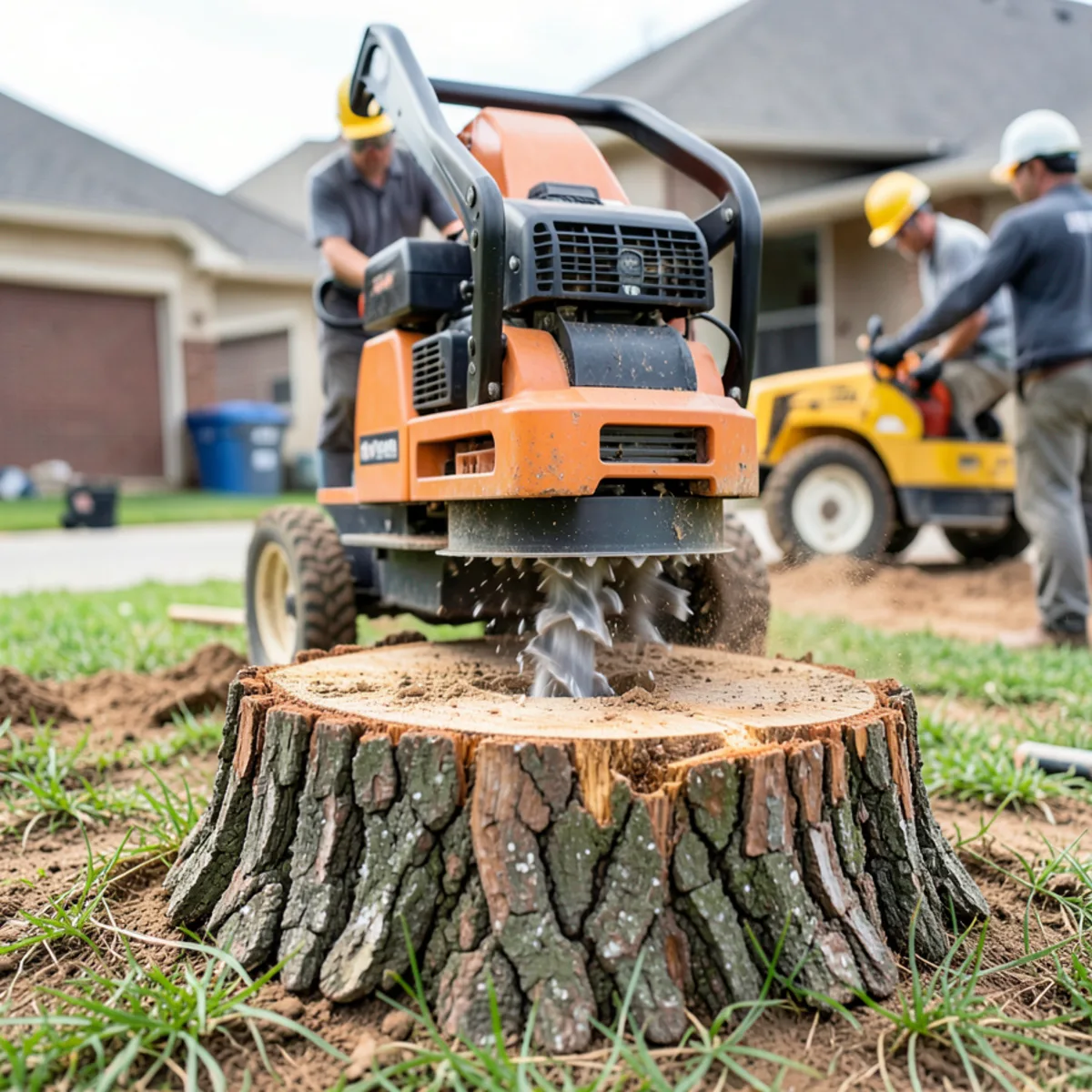
Free to call with zero obligation. Connect with qualified, independent local tree service contractors for residential and commercial tree removal, emergency storm cleanup, trimming, and stump grinding across Fort Worth and Tarrant County.
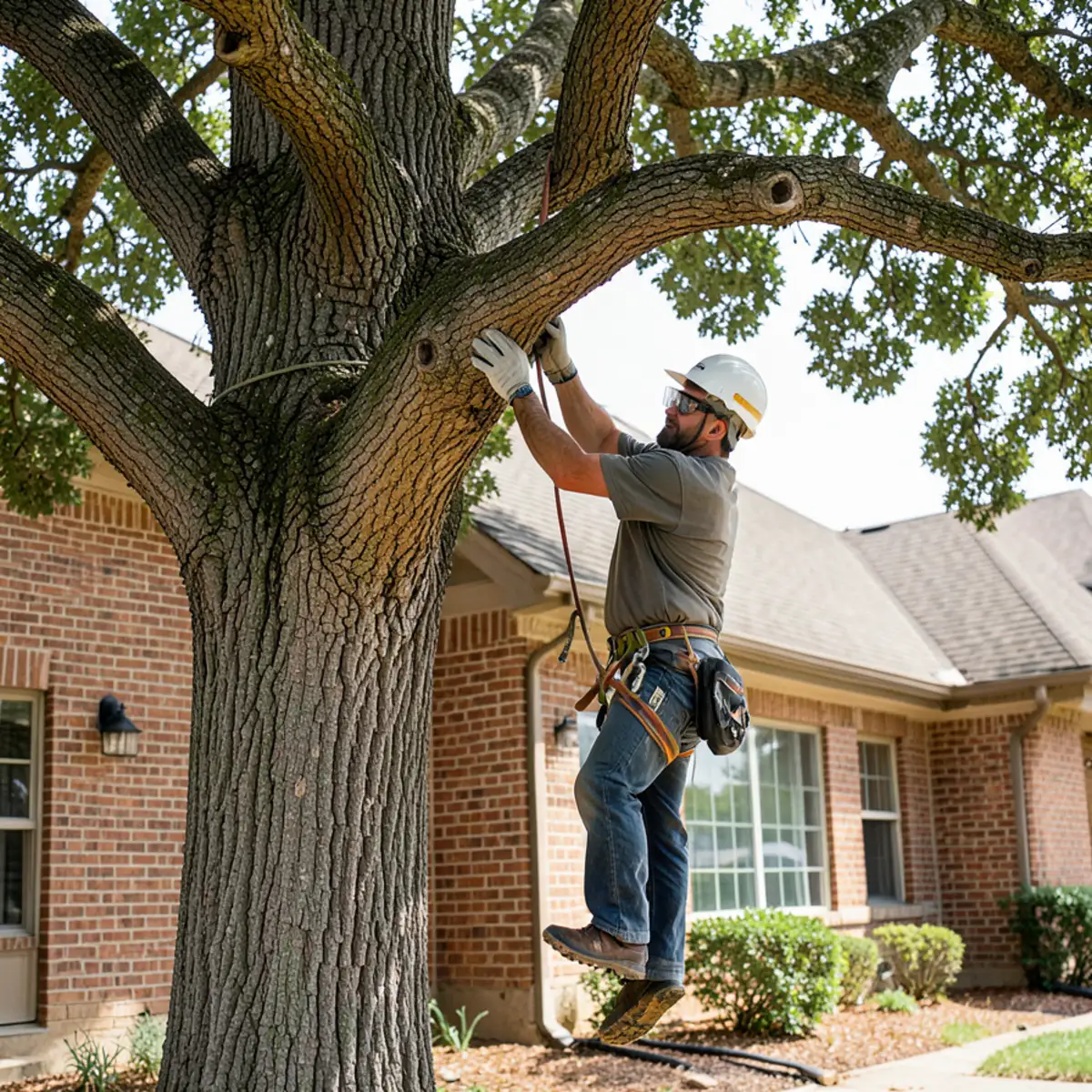
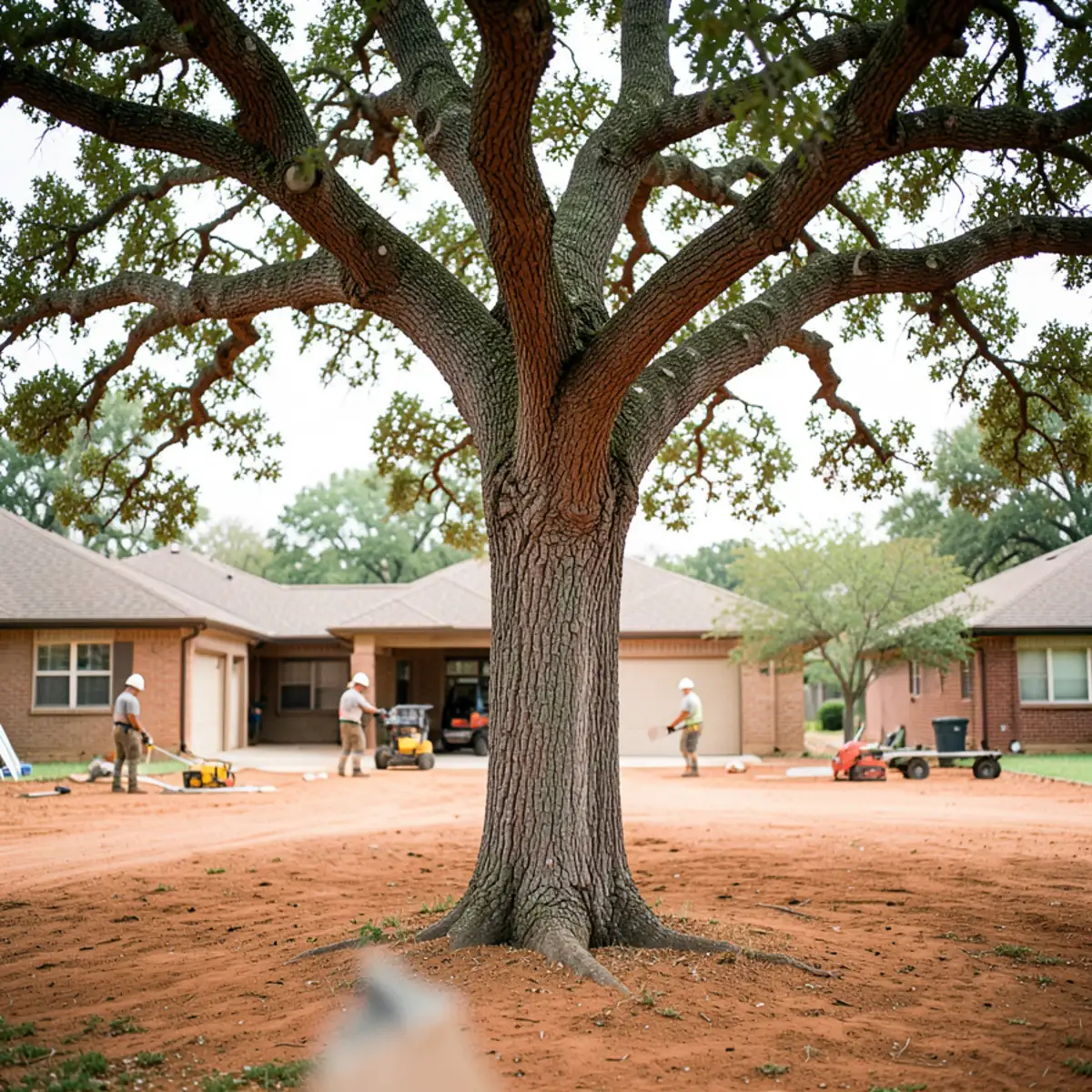
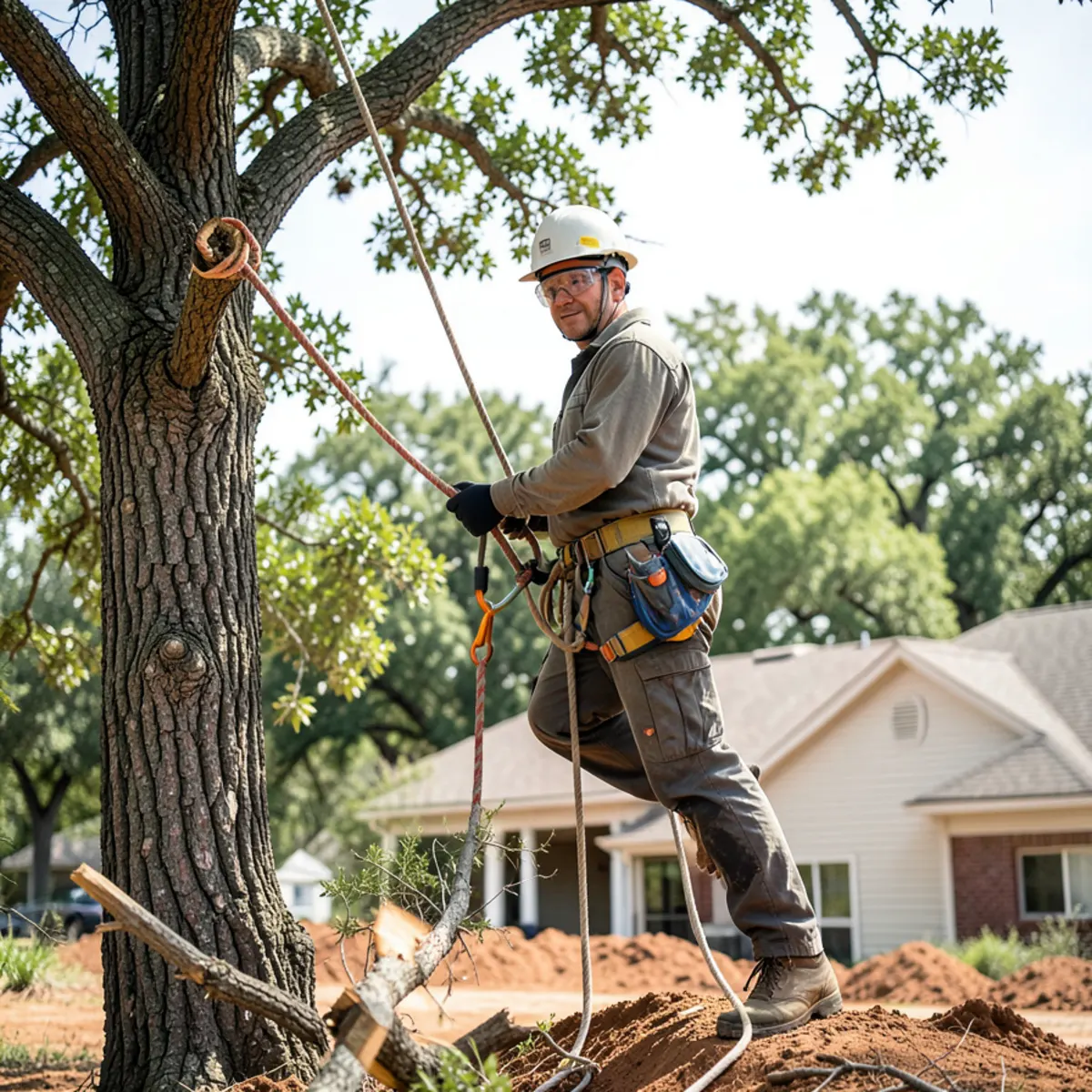
From delicate sectional crane dismantles in tight urban backyards to acreage cedar clearing in Parker County, connect with independent local professionals equipped for the job.
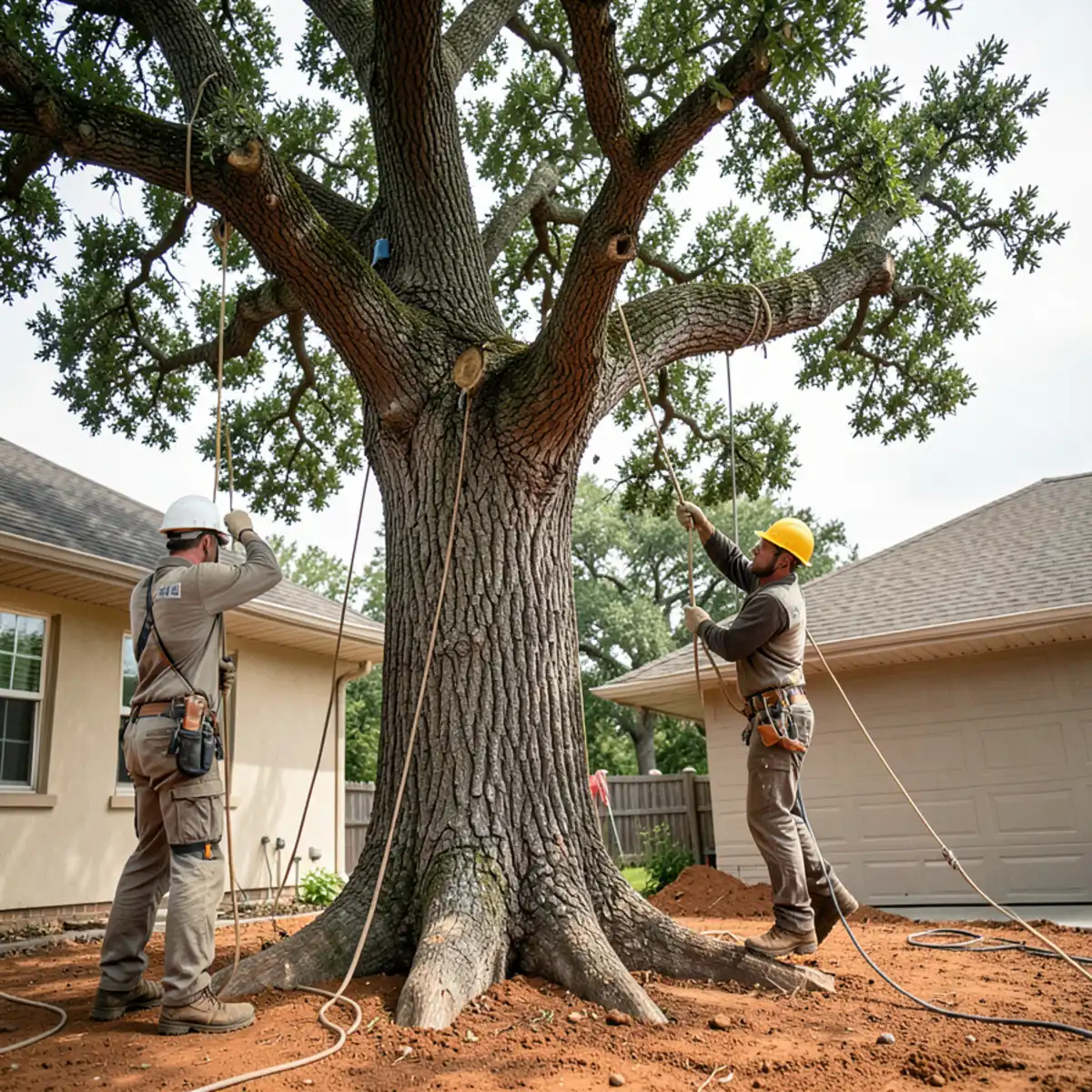
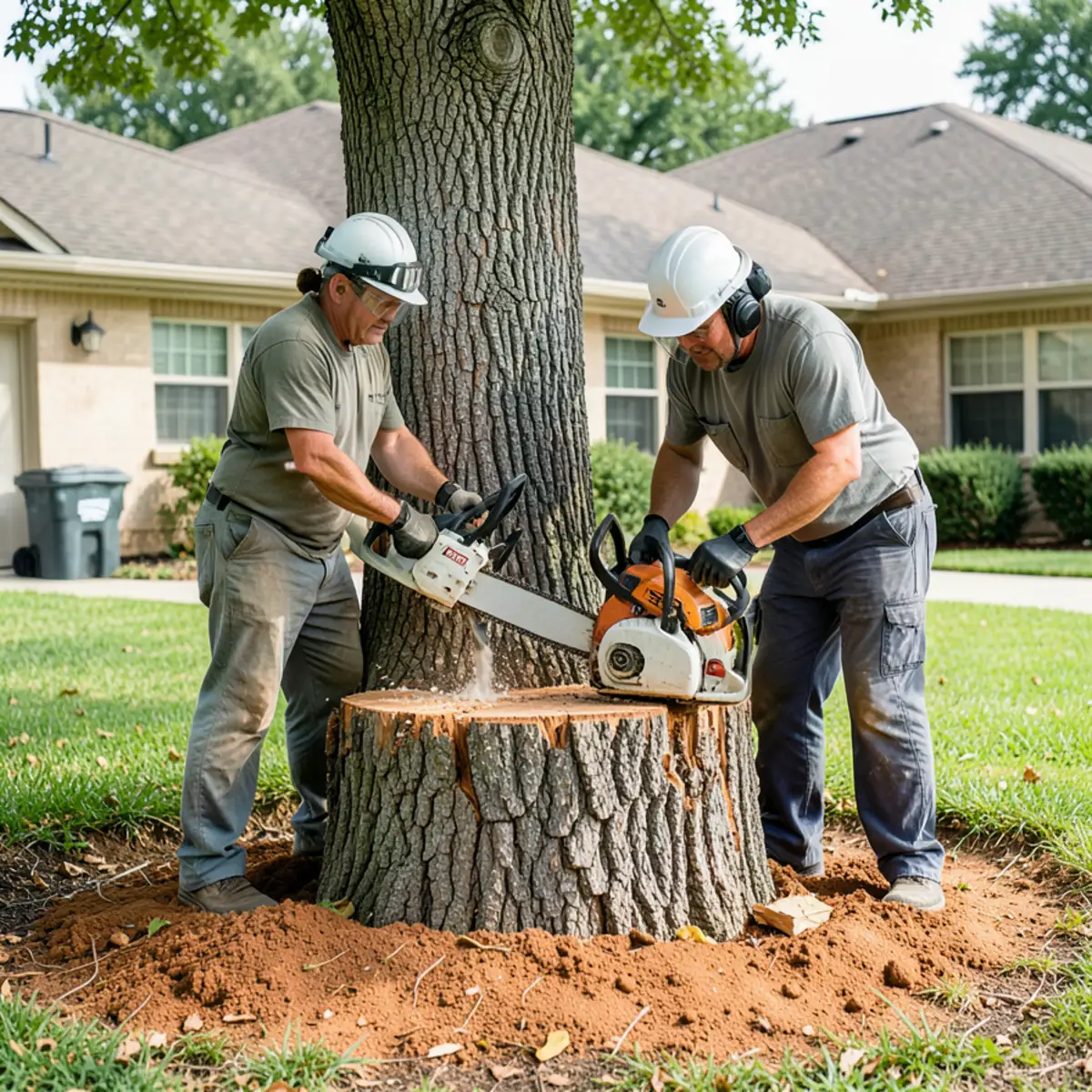
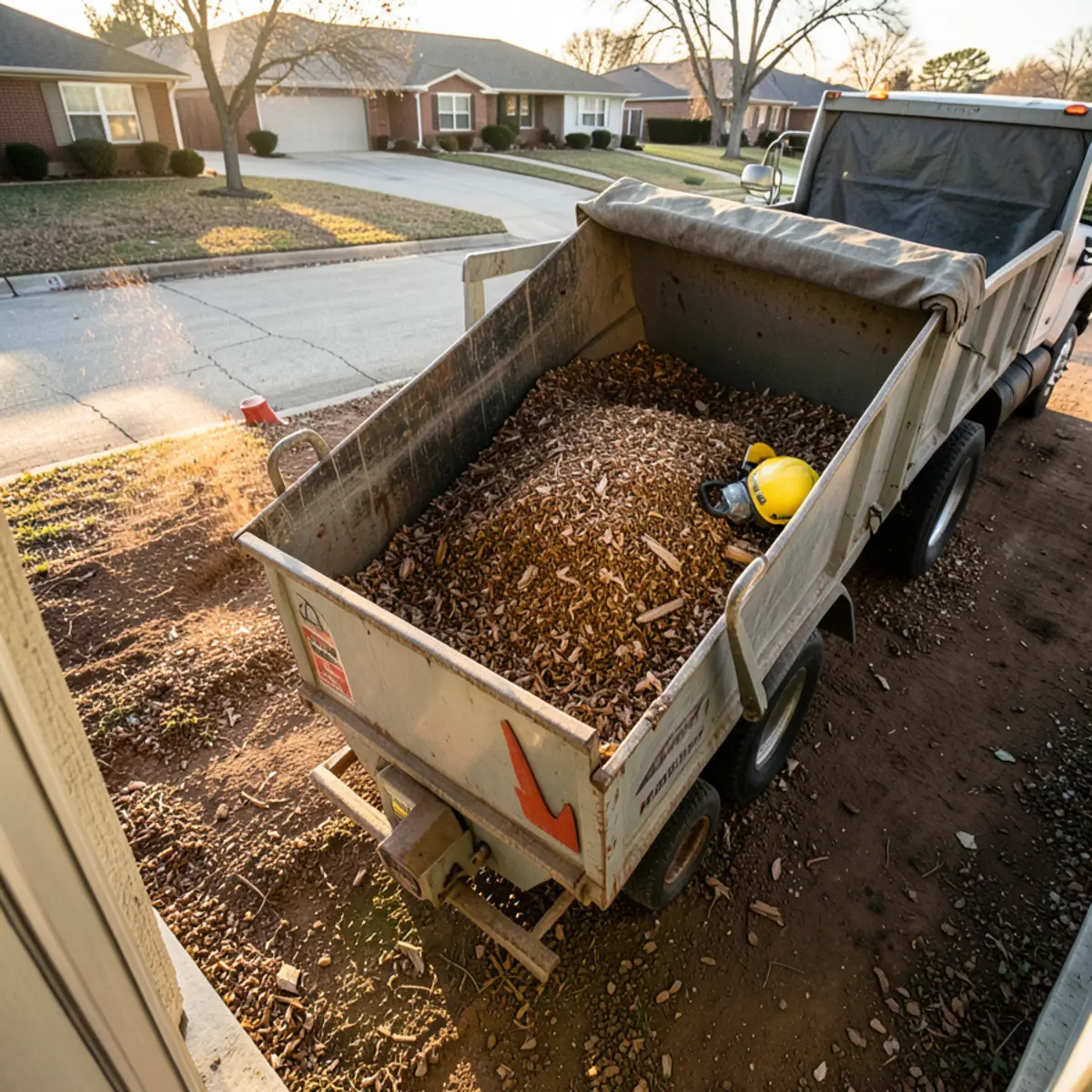
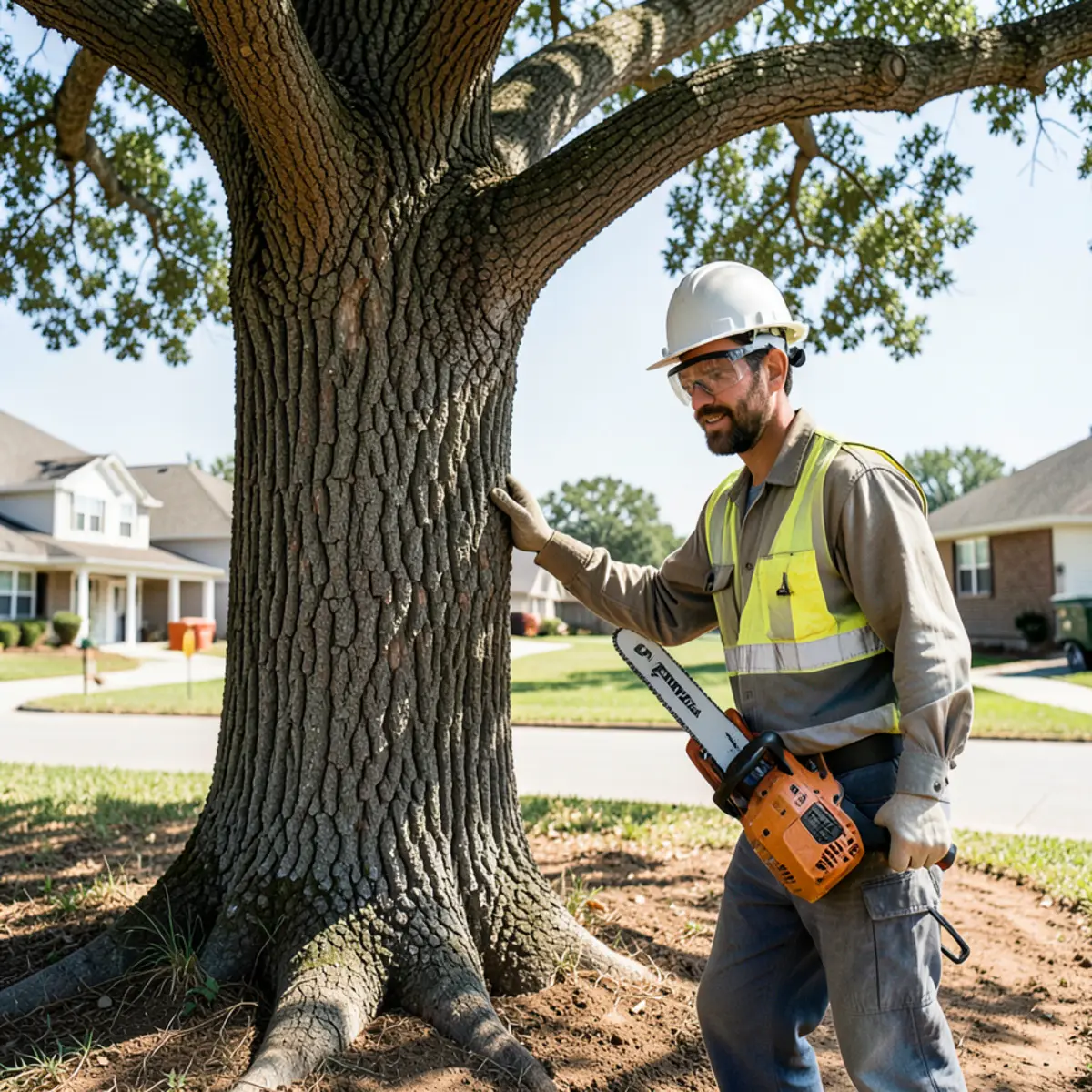
Complete, controlled tree removal across Fort Worth and Tarrant County: safe sectional dismantling, crane-assisted rigging over tight structures, and thorough debris haul-away.
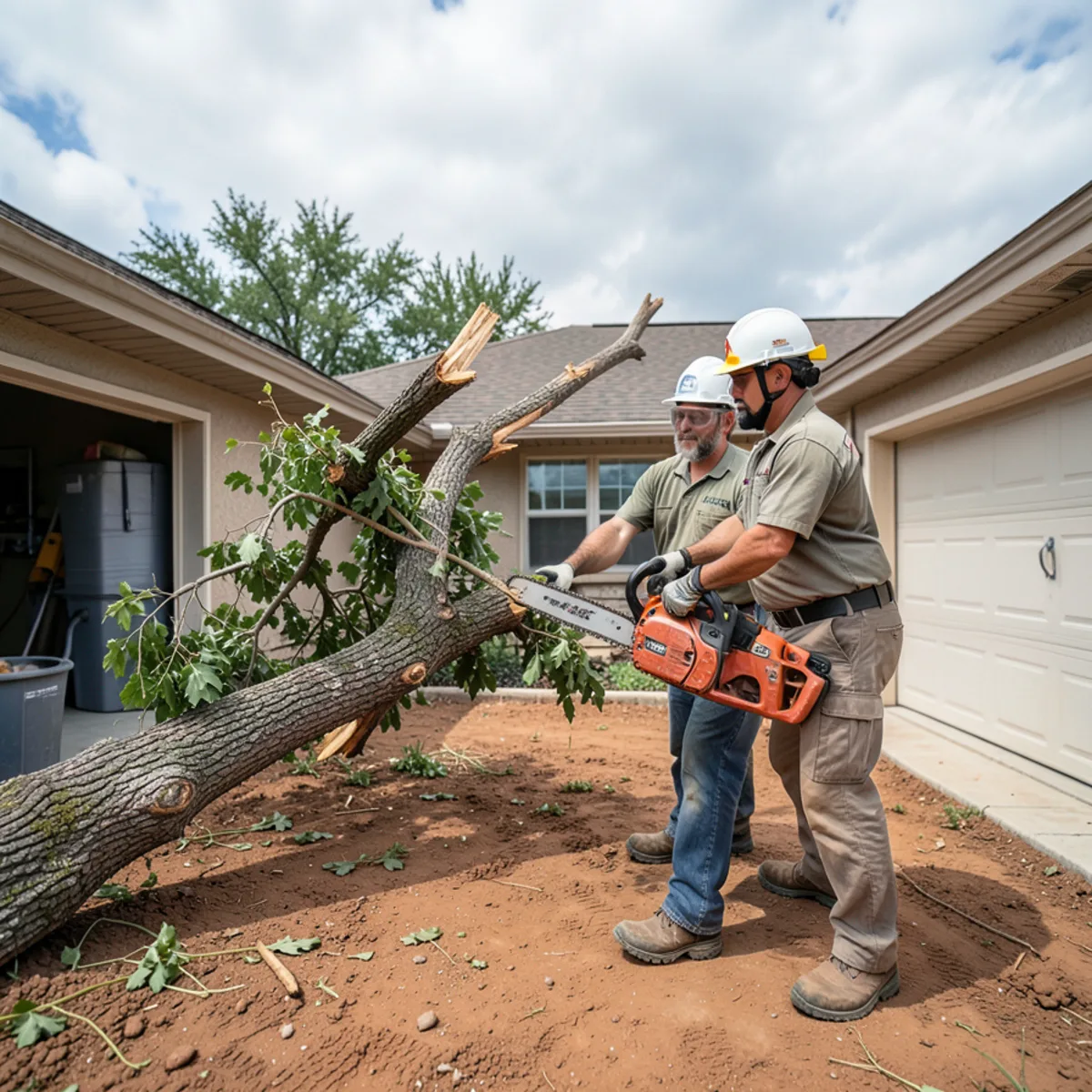
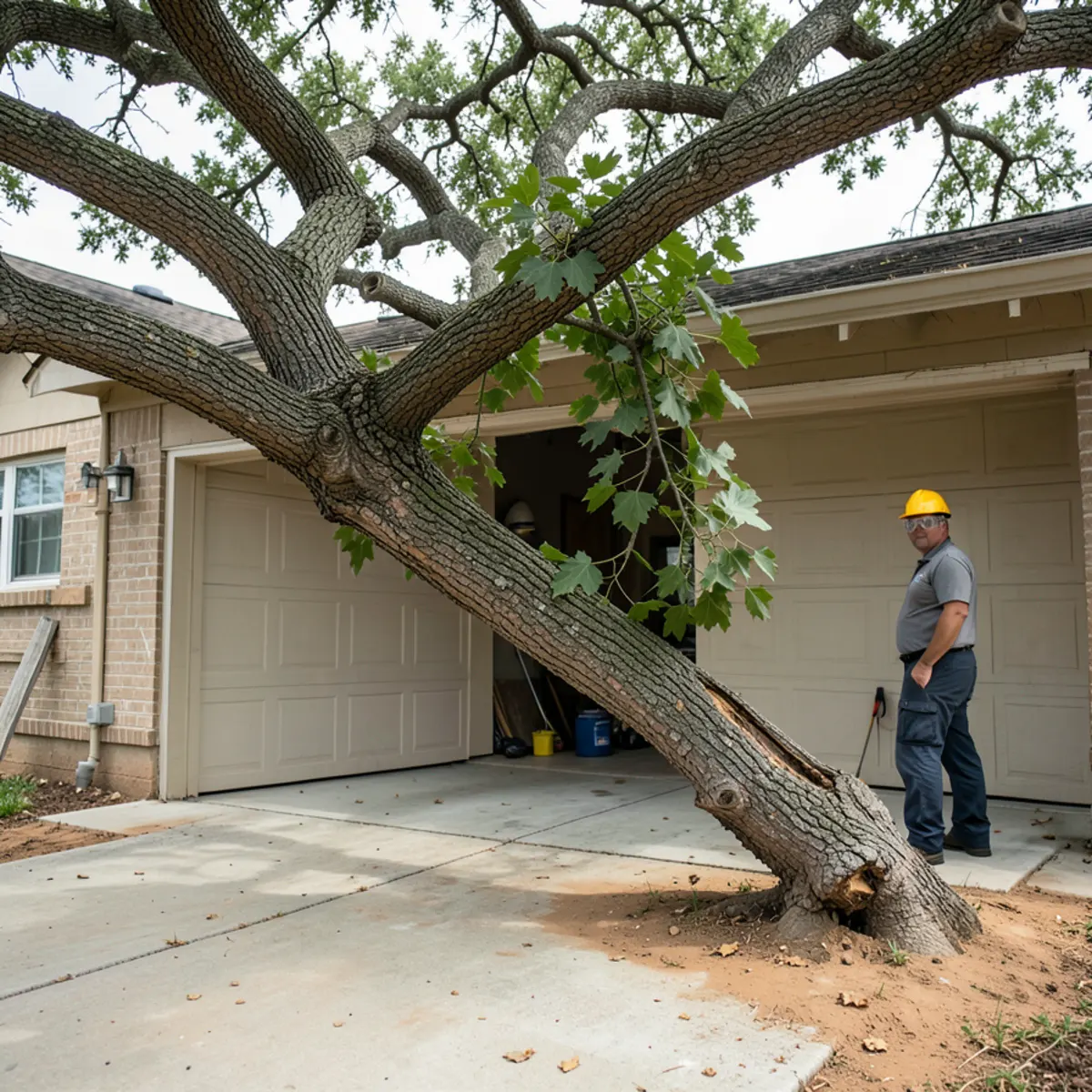
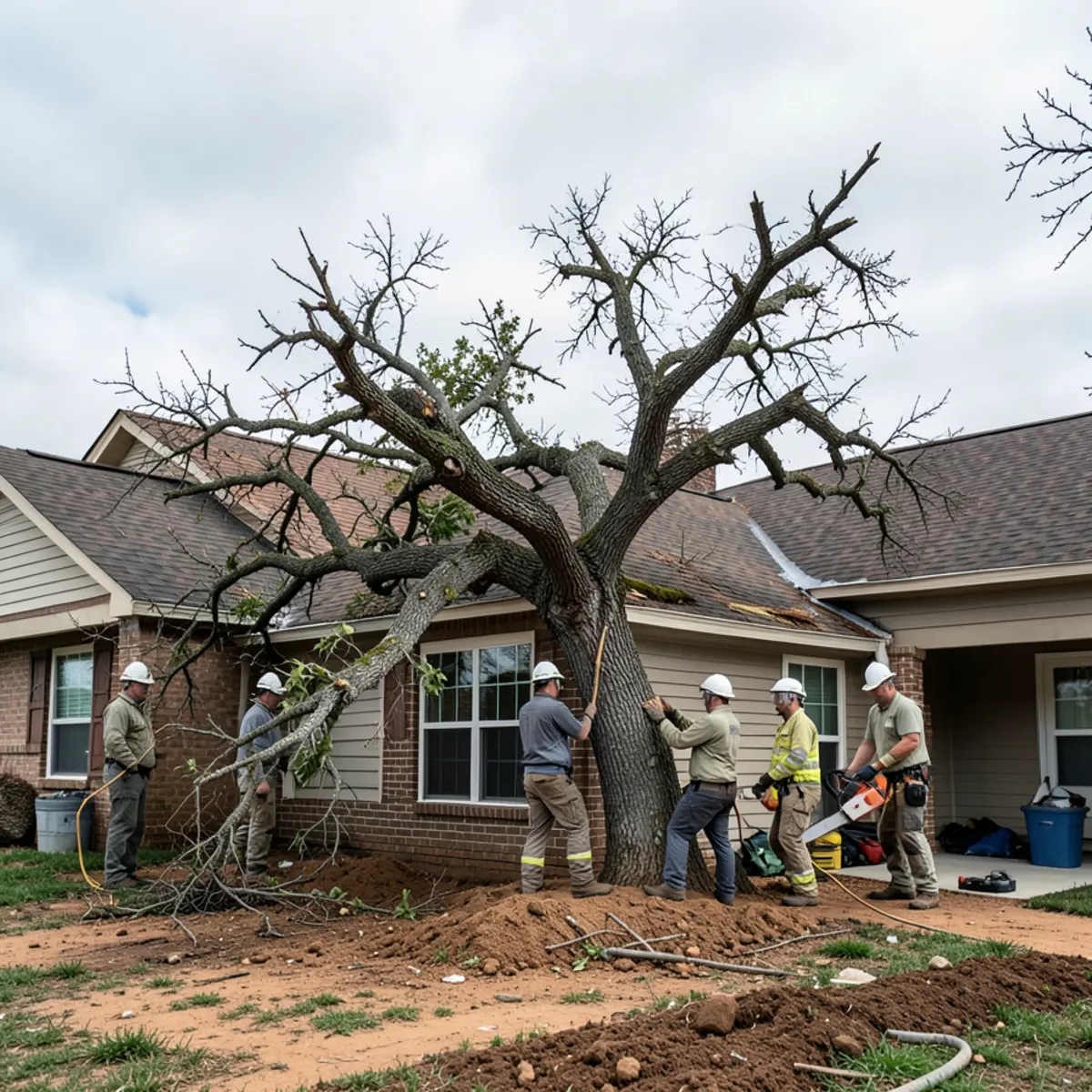
Immediate telephone dispatch for hazardous fallen trees, structural roof impacts, and severe storm damage across Fort Worth, Arlington, and Tarrant County.
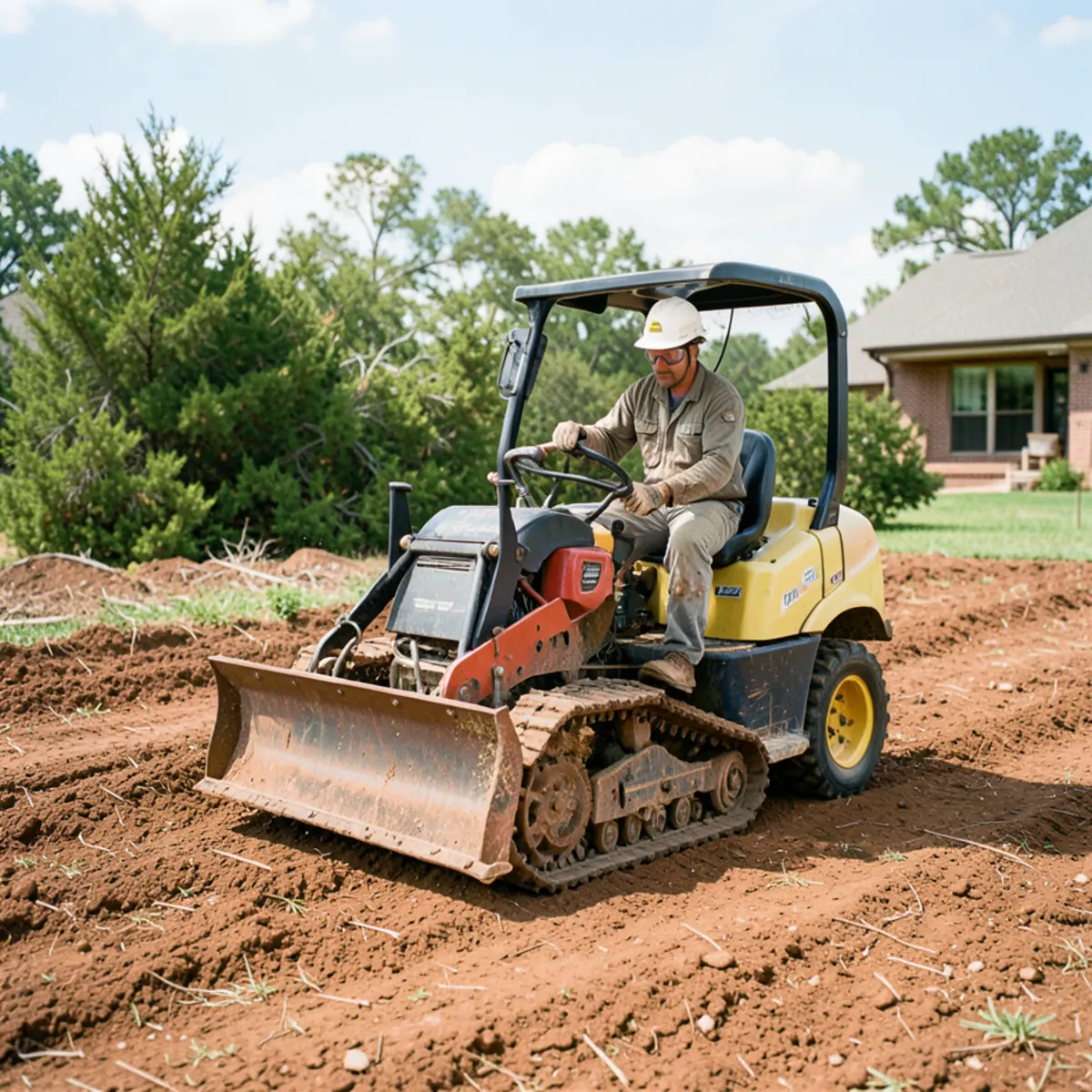
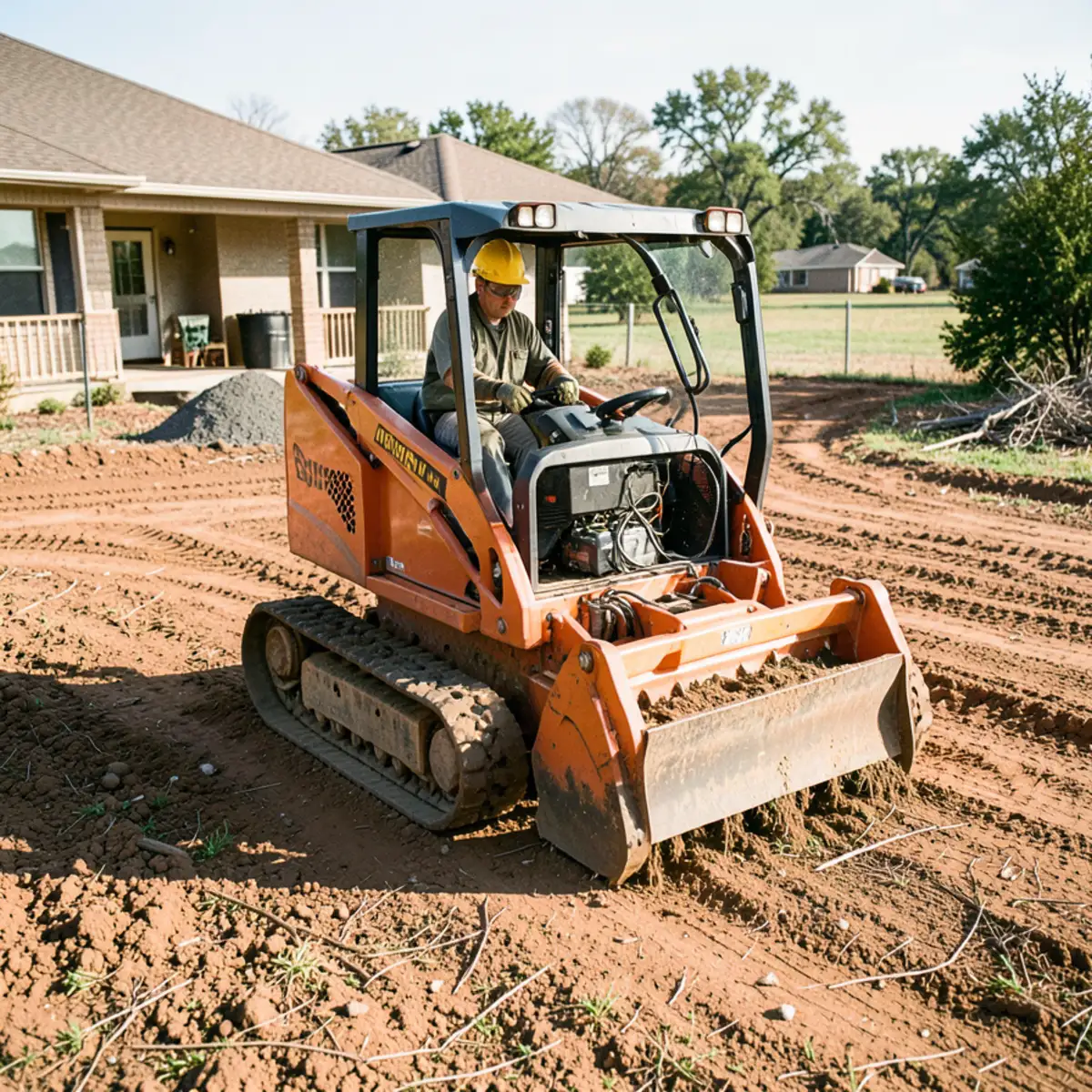
Heavy-duty acreage and lot clearing across Tarrant and Parker counties: low-impact forestry mulching, cedar and mesquite eradication, fence line clearing, and custom home site prep.
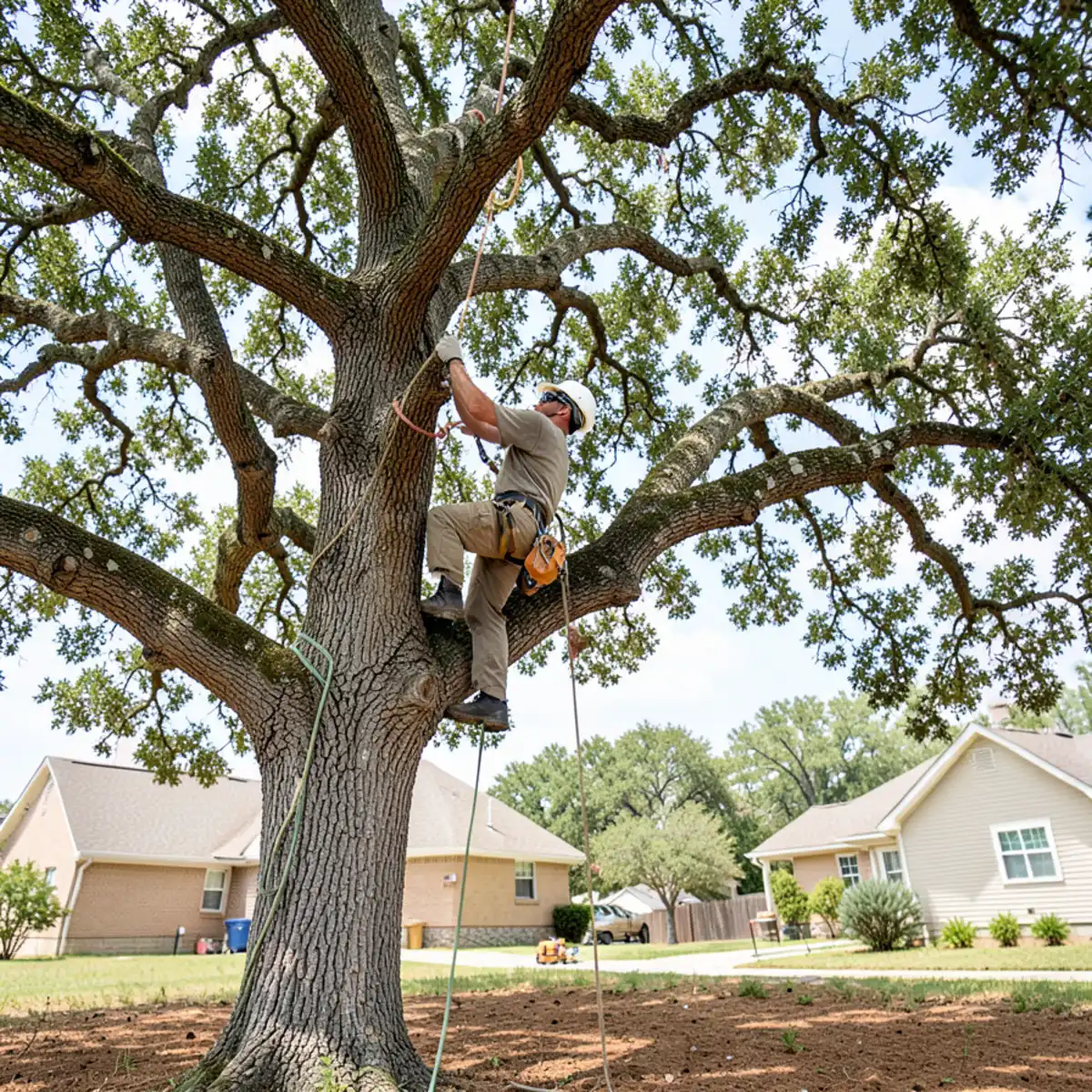
Have an oversized limb over your roof, an active fungal infection, or an uncertain city permit question? Call our line to describe your tree and schedule a visit from an independent local tree pro.
From your initial phone call to complete cleanup, here is what you can expect every step of the way.
01
Call Our Dispatch Line
Call (321) 677-9055. Tell us about your tree situation—whether it is a hazardous lean, fallen storm limb, or routine trimming—and your neighborhood.
02
Scheduled with Local Crew
We coordinate an on-site visit with experienced, properly equipped tree care professionals who operate in your specific neighborhood.
03
On-Site Evaluation
A tree specialist visits your property, inspects tree health, structure, and obstacles (power lines, fences, tight gates), and provides a written estimate.
04
Zero-Pressure Decision
Review the proposed scope, wood disposal terms, and pricing. You are never obligated to proceed. Work starts only when you are 100% satisfied.
Quality Standards: What to Expect On-Site
Because tree care involves heavy rigging, chainsaws, and overhead hazards, every professional service dispatched through our line adheres to strict standards:
✓ Current Certificate of General Liability Insurance
✓ Written scope detailing wood haul-away vs. chipping
✓ Municipal tree permit compliance (e.g., Fort Worth, Southlake)
✓ Tree preservation & oak wilt sanitation measures
Understanding Fort Worth Tree Health, Soils & Storm Dynamics
Fort Worth’s urban forest spans diverse ecological belts—from the dense blackland clays of Arlington Heights, Fairmount, and Ryan Place to the rocky limestone escarpments of Benbrook and the sandy Cross Timbers post oak savannahs in Keller. Managing trees in this environment requires an understanding of North Texas weather extremes and local soil mechanics.
Oak Wilt Protection
Active across Tarrant County. Avoid non-emergency pruning from Feb 15 to June 15 to stop nitidulid sap beetles from spreading lethal fungal spores.
City Forestry Permits
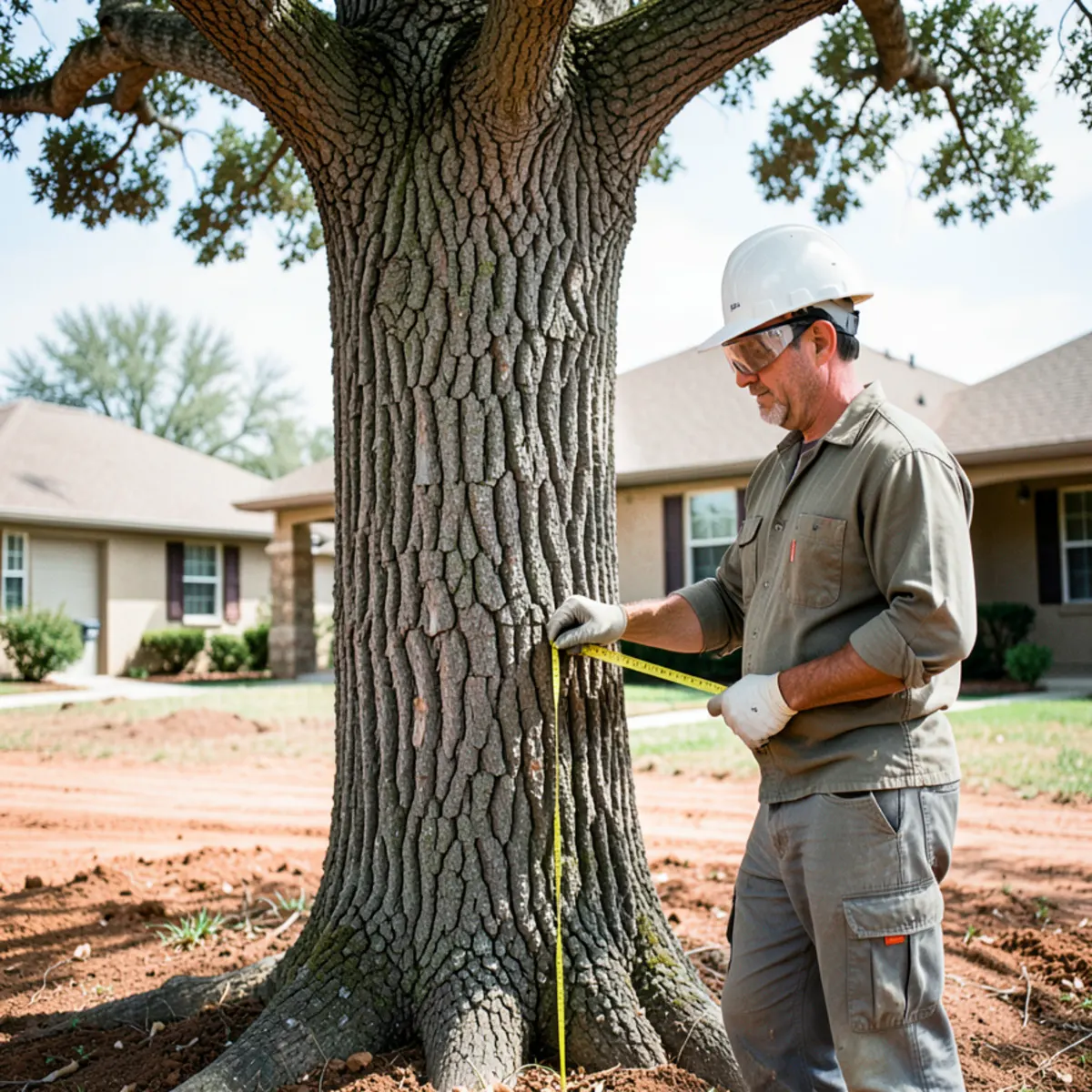
Fort Worth requires permits for significant trees measuring 24+ inches DBH (18+ inches for post oaks and blackjack oaks). Hazardous trees qualify for exemptions.
Builder-Tree Senescence
1970s and 80s Arizona ash, silver maples, and Bradford pears are reaching their 40-year lifespan, suffering from heart rot and severe spring storm splitting.
Severe Weather Cycles
Summer heat stress and prolonged droughts weaken root anchorage, creating sudden structural tree failures during 70+ mph thunderstorm downbursts.
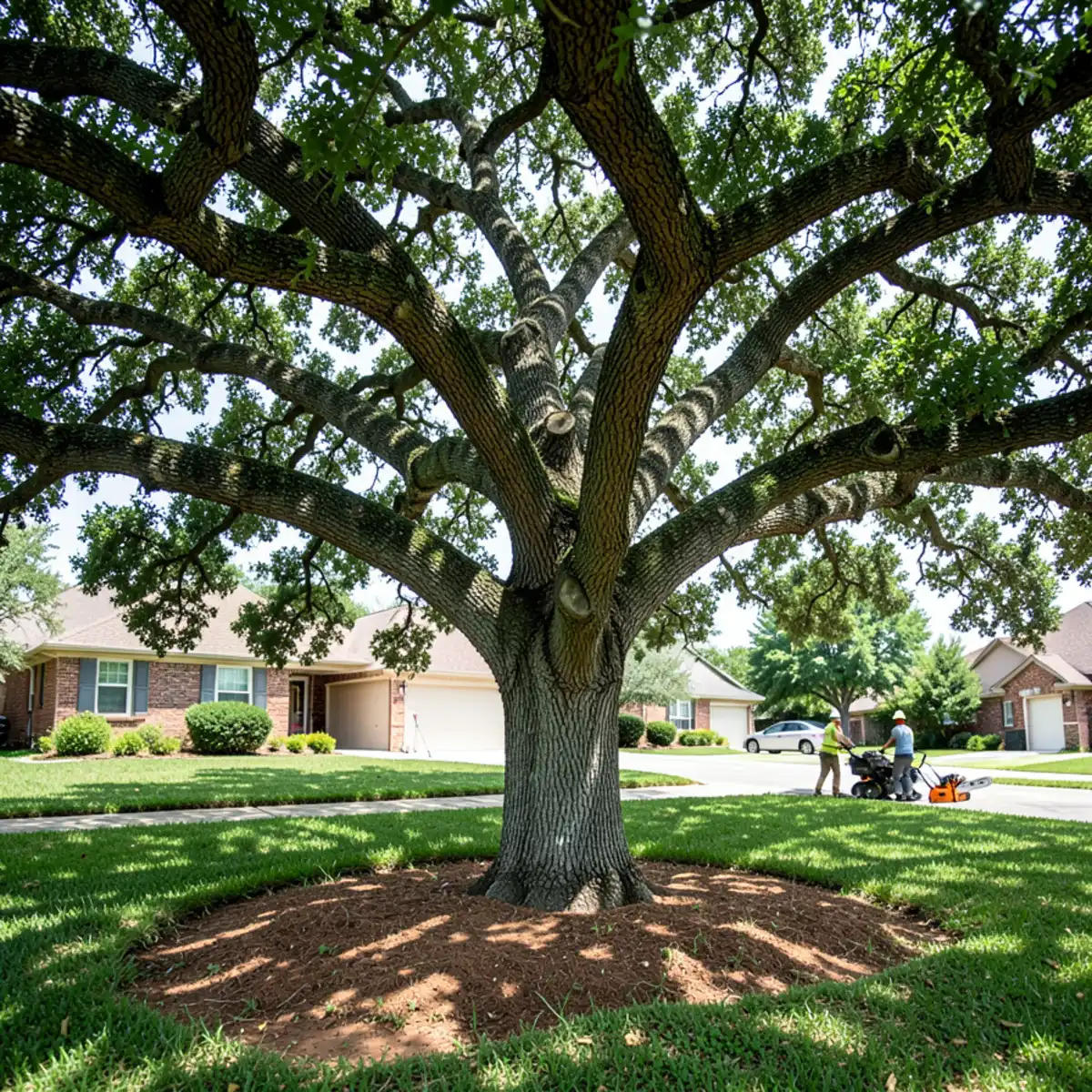
Did you know? Post oaks are among the slowest-growing native trees in Tarrant County. Because their root systems cannot tolerate compaction or excessive lawn watering, preserving established post oaks during residential landscape changes is essential.
Mon–Sat 7:00 AM – 6:00 PM · 24/7 Emergency Line · Immediate Fort Worth Dispatch
Need an On-Site Tree Evaluation in Fort Worth?
Call our dispatch line at (321) 677-9055. Describe your tree condition and connect with an independent local tree care pro who serves your neighborhood.
Line answered Mon–Sat with 24/7 emergency response
Written scope and estimate from the contractor
Regional Coverage
Communities We Serve Around Fort Worth
From our dispatch hub on Hulen Street, we connect property owners across Tarrant County and eastern Parker County within a 35-minute response radius.
35-Minute Service Radius
North Texas Dispatch Coverage Area
Operating from our central dispatch hub on Hulen Street in west Fort Worth, we connect property owners across Tarrant County and eastern Parker County with independent local tree service contractors.
When a severe storm causes a tree to crush your roof or wall in Fort Worth, taking the right immediate safety and insurance steps prevents secondary disaster. Here is your step-by-step emergency action plan.
Tree removal pricing in Fort Worth depends on trunk diameter, tree height, structural obstacles, and machinery access. Explore typical local cost ranges and what should be itemized in every written estimate.
The City of Fort Worth regulates the removal of significant native trees to preserve its urban forest canopy. Discover when an Urban Forestry permit is required, DBH thresholds, and residential exemptions.
Straightforward answers about tree removal, municipal permit thresholds, emergency cleanup, and what to expect during tree work.
How does scheduling tree service with RAM Tree Service work?
When you call our local dispatch line at (321) 677-9055, we assess your tree care needs and connect you with qualified local tree care professionals serving your specific neighborhood in Fort Worth and Tarrant County. A specialist visits your property to inspect tree health, assess hazards, and provide a clear, itemized written estimate before any work begins.
Does it cost anything to call or receive a tree removal estimate?
Calling our dispatch line is 100 percent free with zero obligation. The independent tree service contractors in our network typically provide free on-site evaluations and itemized written estimates for residential and commercial properties throughout Fort Worth and Tarrant County.
Do I need a permit to remove a tree from my Fort Worth yard?
Yes, if the tree meets the City of Fort Worth's definition of a 'significant tree' under the Urban Forestry Ordinance. Generally, native hardwoods measuring 24 inches or greater in trunk diameter at breast height (or 18 inches for native post oaks and blackjack oaks) require a city permit. Dead, dying, or severely hazardous trees are exempt from mitigation fees, but photographic proof or written arborist verification is recommended.
How quickly can an emergency tree crew respond after a storm?
During severe weather events in North Texas, our emergency dispatch line operates 24/7. Crews can typically reach properties in Fort Worth, Benbrook, and Arlington within 1 to 3 hours for critical structural emergencies, such as trees on roofs or blocked driveways.
What qualifications should I check before hiring a tree contractor in Texas?
Because the State of Texas does not issue a specific state arborist license, property owners should ask any responding tree contractor for a current Certificate of General Liability Insurance (typically $1,000,000 to $2,000,000 in coverage), workers' compensation protection for aerial climbers, and compliance with ANSI A300 pruning standards.
What geographic areas around Fort Worth do you cover?
From our central hub on Hulen Street in west Fort Worth, our referral network connects callers across a 35-minute radius, including Arlington, Benbrook, Burleson, North Richland Hills, Mansfield, Keller, Grapevine, Southlake, Colleyville, Bedford, Aledo, and Weatherford.
Can contractors safely remove trees over tight backyards and power drops?
Yes. Independent contractors utilize specialized residential rigging techniques, including friction lowering ropes, pulleys, and mini-skid steers designed to pass through 36-inch pedestrian gates. For structurally compromised or massive trees over roofs, mobile cranes hoist limbs clear without property contact.
When is the safest time to trim oak trees in Tarrant County?
In accordance with Texas A&M Forest Service guidelines, the safest window to trim live oaks and red oaks is between November 1 and January 31, when trees are dormant and sap-feeding beetles are inactive. Property owners must avoid non-essential pruning from February 15 to June 15 to prevent oak wilt disease transmission.
Mon–Sat 7:00 AM – 6:00 PM · 24/7 Emergency Line · Immediate Fort Worth Dispatch
Ready for an Honest, Free On-Site Tree Estimate?
Call (321) 677-9055 today. Connect directly with experienced local tree care professionals who serve Fort Worth and Tarrant County.